
VIKING Life-Saving Equipment Sa Pty Ltd is a Safety equipment supplier establishment in Durban, KwaZulu-Natal, South Africa
VIKING Life-Saving Equipment SA Pty Ltd – Safety equipment supplier in Durban
VIKING Life-Saving Equipment SA Pty Ltd operates within the broader VIKING global network as a supplier and service partner specialising in maritime safety equipment. While the regional page in Durban is not the sole focus of the company’s communications, the organisation presents a consistent profile across its sites: a full-scope maritime safety partner offering equipment, maintenance, and safety solutions designed to help clients stay compliant and prepared for emergencies at sea.
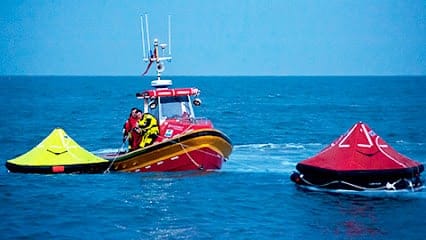
From lifeboats and evacuation systems to liferafts, personal protective gear, firefighting equipment and safety training, the firm positions itself as an end-to-end provider. The emphasis is on ready access to a broad range of safety appliances and associated services, enabling operators to consolidate procurement and servicing through a single, globally supported network. This approach is echoed in the company’s branding as a “global full scope maritime safety partner,” underscoring the aim to streamline safety management for diverse maritime operations.
Main services and product groups
- Lifeboats, fast rescue boats and evacuation systems
- Liferafts, immersion suits, and related survival equipment
- Personal protective equipment and firefighting gear
- Training and safety courses related to maritime safety
- Maintenance, servicing and inspection through a network of certified technicians
- System design and deployment for ship owners and operators
<li-Retrofitting, upgrades and on-site integration of safety systems
The company highlights a multi-brand, OEM-quality service model supported by a global service network. This structure enables standardised servicing across many ports and offshore hubs, with an emphasis on consistent quality and compliance to maritime safety standards. In addition, the Shipowner Agreement is promoted as a way to manage onboard safety and regulatory compliance with reduced administration and risk, allowing clients to focus on core operations.
Typical job types and industries
Within the maritime safety spectrum, typical engagements include outfitting vessels with required lifesaving appliances, installing and commissioning evacuation systems, and supplying protective gear for crew deployed in high-risk environments. The service footprint likely covers commercial shipping, cruise and ferry operations, offshore oil and gas activities, offshore wind projects, fishing fleets, yachting, and related professional or defence applications. The breadth of offerings is designed to support both newbuild projects and ongoing safety management for existing fleets and offshore platforms.
How requests usually work
Customers typically begin by selecting the relevant safety equipment and related services through a consolidated inquiry process. An online inquiry tool allows the addition of liferafts, PPE, boats and davits, evacuation systems, firefighting equipment, and training items, after which a quote is provided. The system supports a streamlined path from product selection to a formal quotation, aiming to respond promptly to client needs. The company also promotes a global service framework, enabling customers to access certified technicians and service stations across major ports and offshore hubs.
Customer experience and practical tips
Visitor and industry reviews suggest a focus on helpful and responsive service from personnel, with an emphasis on personalised attention and professional knowledge. While regional reviews for the Durban area are scarce in public channels, user comments highlight the value of approachable staff and confident guidance when engaging with maritime safety products and services.
Practical tips for customers in Durban and KwaZulu-Natal include:
- Plan ahead for service intervals by aligning with a local service station within the global network to ensure continuity of compliant equipment servicing.
- Leverage the Shipowner Agreement where possible to reduce administrative burden and maintain consistent safety standards across fleets.
- Prepare a clear list of required items (liferafts, PPE, evacuation systems, training) in a single inquiry to receive a consolidated quote and faster processing.
- Request documentation of servicing and inspections, especially for long-duration assets, to support regulatory audits and crew training records.
- Consult regional safety regulations and SOLAS/MED guidelines in conjunction with equipment suppliers to ensure up-to-date compliance for the local fleet and operations.
Further considerations
VIKING’s global footprint features a comprehensive service network, with hundreds of certified service stations and multiple production facilities. This scale supports extensive after-sales support, potential retrofit projects, and on-site upgrades to keep vessels aligned with evolving safety standards and technological advances.
Durban-based stakeholders seeking maritime safety solutions can expect to encounter a robust, globally informed supplier with a capability to deliver end-to-end safety assets, servicing, and training, grounded in decades of experience in life-saving equipment and compliance-driven service models.
Durban
KwaZulu-Natal
South Africa
Sorry, no records were found. Please adjust your search criteria and try again.
Sorry, unable to load the Maps API.
Safety Equipment Supplier Services in Durban, KwaZulu-Natal
In Durban, KwaZulu-Natal, safety equipment suppliers play a vital role in supporting industry, construction, logistics, and hospitality sectors. These suppliers typically offer a broad range of protective gear and devices designed to mitigate risk, ensure regulatory compliance, and safeguard personnel across diverse working environments. The local market combines access to internationally recognised brands with knowledge of South African safety standards and practical, on-the-ground considerations unique to the region.
Customers engaging with safety equipment suppliers in this area can expect a structured service model centred on assessment, supply, and aftercare. Initial steps usually involve an informal or formal intake process to understand the nature of the work, the applicable hazards, and the specific regulations that govern the industry. Suppliers then advise on appropriate PPE (personal protective equipment), fall protection, respiratory protection, hearing protection, eye and face protection, hand and foot protection, and high-visibility clothing, among other categories. Guidance emphasises fit, comfort, and the practical realities of the worksite, such as heat, dust, moisture, and urban or coastal climatic conditions.
Durban’s geographical setting—being a major port city with a mix of manufacturing, logistics hubs, and service industries—means that practical considerations often influence product selection. For instance, environments near the coast may demand corrosion-resistant gear and durable equipment able to withstand frequent exposure to humidity and salt air. Workplaces near shipyards, warehouses, and construction sites may prioritise items that balance protection with mobility and ergonomic design. Suppliers commonly highlight compatibility with existing safety programmes and site-specific risk assessments, helping buyers assemble a compliant, cohesive kit rather than a disparate collection of items.
Typical services provided by safety equipment suppliers include:
- Assessment and recommendations based on site audits, hazard analyses, and regulatory requirements.
- Procurement and supply of PPE, hearing and eye protection, respiratory gear, fall arrest systems, and safety footwear.
- Customised fit testing and sizing guidance to maximise protection and comfort.
- Maintenance, inspection, and replacement programmes for equipment with defined service lives.
- On-site deliveries, product demonstrations, and utilisation training to optimise safety practices.
Alongside product provision, many Durban-based suppliers offer practical support focused on ensuring that safety programmes remain functional over time. This includes guidance on stock management, issuing and return processes for borrowed or leased items, and arranging for routine inspections of equipment such as harnesses, lanyards, and breathing apparatus where applicable. Knowledgeable staff can interpret common industry standards and translate them into straightforward purchasing choices, helping organisations align with legal obligations without unnecessary complexity.
Potential buyers are advised to consider several practical factors when engaging with a safety equipment supplier in KwaZulu-Natal. These include supplier proximity for reliable delivery and after-sales service, the availability of a diverse product range to cover multiple workstreams, and responsiveness to urgent requests or site-specific challenges. It is also prudent to evaluate the supplier’s approach to product quality, warranties, and the clarity of pricing, ensuring expectations are realistic and transparent. In addition, local suppliers often emphasise education and awareness, supporting client organisations with up-to-date information on evolving safety practices and regulatory changes that affect the region.
Overall, safety equipment supplier services in Durban function as a practical, interconnected system that brings together product expertise, site knowledge, and ongoing support. The emphasis remains on protecting workers, enabling compliant operations, and sustaining productive workplaces across KwaZulu-Natal’s dynamic economic landscape.