
Provincial Fire Equipment Service. is a Emergency care service establishment in Durban, KwaZulu-Natal, South Africa
Provincial Fire Equipment Service: Emergency Care Services in Durban, KwaZulu-Natal
Provincial Fire Equipment Service operates from Newlands West, Durban, offering a specialised portfolio centred on fire safety equipment for a broad range of sectors. With a history dating back to July 1997, the business positions itself as a long‑standing supplier and maintenance partner for fire protection needs in the industrial, domestic, municipal and government arenas. The firm emphasises commitment to customer service and competitive pricing as core elements of its service model, reinforced by a longstanding presence in the local market.
Key offerings focus on the sales and servicing of SABS fire equipment. The core product categories include fire extinguishers, fire hoses, fire hose reels and associated fire protection components such as fire hydrants and boosters. The emphasis is on ensuring that essential firefighting equipment remains ready for use through routine maintenance and compliant servicing, with capabilities described as covering the full spectrum of standard SABS fire equipment.
Technician expertise is highlighted as a differentiator. Staff are described as trained in accordance with SAQCC requirements, and technicians are registered with the South African Qualification and Certification Committee (SAQCC). This suggests a formalised approach to service and maintenance, aimed at ensuring equipment is inspected, tested and kept in a state of readiness in line with regulatory expectations. The business reports working with a varied customer base and notes a significant pool of satisfied clients, reflecting a track record of repeat engagement across diverse settings.
In terms of client engagement, the organisation lists a number of established affiliations and registrations, including registration with the SABS (South African Bureau of Standards) and membership in trade and regulatory bodies such as FFETA (Fire Fighting Equipment Traders Association), CIDB (Construction Industry Development Board) and SARS. These associations are presented as indicators of compliance, professional standards and industry standing, which can provide reassurance to customers seeking dependable service delivery and formal quality assurance in fire safety equipment management.
Typical job types inferred from the service profile encompass the procurement and ongoing care of essential fire safety gear. This includes routine servicing of extinguishers and the upkeep of hose reels, hoses, hydrants and boosters. Work appears geared towards both ongoing maintenance programmes and single‑issue servicing, with explicit emphasis on handling all types of SABS fire equipment. While the direct timings, response times or service level commitments are not detailed in the available content, the emphasis on SAQCC‑qualified technicians and diverse sector experience suggests an organised service workflow tailored to regulatory compliance and practical fire safety readiness.
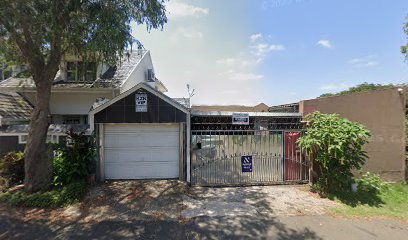
Requests and engagement typically flow through conventional contact channels listed by the business. Contact details include direct telephone numbers for principal contacts (Bobby Singh and Renesh Singh) and professional email addresses. A physical address is provided, situating the operation in Newlands West, Durban, with proximity to the Steelcastle Avenue corridor. For clients seeking additional information or to initiate a service arrangement, the firm offers a dedicated contact form on its website and a general email address for administrative enquiries.
Practical tips for customers
- Verify equipment registrations and servicing history. Look for SAQCC‑qualified technicians and ensure servicing is documented to maintain regulatory compliance.
- Request a clear servicing schedule. Regular maintenance for extinguishers, hose reels and hydrants helps ensure readiness and extends equipment life.
- Confirm scope of service. Clarify whether the engagement includes preventative checks, hydrostatic testing, recharge services and replacement parts where necessary.
- Keep records accessible. Maintain copies of service reports and certificates for audits or inspections by authorities.
- Consider sector‑specific needs. The company states experience across industrial, domestic, municipal and government sectors, which can be beneficial when seeking equipment suited to particular environments.
- Assess proximity and accessibility. The Durban location in Newlands West may offer convenient access for on‑site servicing and site visits within KwaZulu‑Natal.
Overall, Provincial Fire Equipment Service presents itself as a long‑standing, regulation‑aware provider focused on the sale and maintenance of fundamental fire safety equipment. The combination of SABS‑aligned products, SAQCC‑certified technicians and recognised industry registrations positions the business as a pragmatic choice for organisations seeking reliable servicing and equipment management across a range of sectors in Durban and the wider KwaZulu‑Natal area.
Durban
KwaZulu-Natal
South Africa
Sorry, no records were found. Please adjust your search criteria and try again.
Sorry, unable to load the Maps API.
Emergency Care Services in Durban, KwaZulu-Natal
Emergency care in Durban, KwaZulu-Natal, operates as a critical component of the health system, designed to respond rapidly to acute medical and trauma situations. In this coastal city, a network of public and private facilities collaborates to provide urgent assessment, stabilisation, and definitive treatment. The emphasis is on timely access, trained personnel, and efficient handovers to ongoing care within hospital departments or designated urgent care units. For residents and visitors, understanding the framework of emergency care helps set realistic expectations regarding response times, triage, and subsequent steps.
The typical journey begins with a prompt emergency response, often via ambulance services or walk-in at an accident and emergency department. Once contact is made, trained staff such as triage nurses and clinicians quickly assess the severity of symptoms to determine priorities for treatment. In many centres, patients are categorised according to urgency, enabling those in life-threatening states to receive immediate attention while other cases await assessment. This system aims to maximise the use of available resources while ensuring that the most serious conditions are addressed first.
Within Durban’s emergency departments, a broad spectrum of services is commonly available. Acute medical emergencies may include chest pain, stroke symptoms, severe infections, breathing difficulties, and allergic reactions. Trauma care covers incidents such as road traffic collisions, falls, burns, and other injuries. For non-critical but urgent issues, facilities may offer rapid access to imaging, basic laboratory testing, and initial resuscitation support. In some centres, surgeons, anaesthetists, and other specialists are available to provide urgent consultations and, where necessary, procedures or admissions for ongoing care.
A practical consideration for patients and caregivers is the process following stabilisation. After initial management in the emergency setting, patients may be transferred to ward teams for definitive treatment, observed monitoring, or discharge with instructions. Discharge planning often involves guidance on medications, symptom monitoring, follow-up appointments, and information about warning signs that warrant prompt re-evaluation. When hospital admission is not required, some centres may offer short observation periods or referrals to urgent care facilities or outpatient clinics for follow-up assessment.
For Durban, access to emergency care can vary by location and facility type. Public hospitals provide essential services and are typically funded through the health system, with varying wait times influenced by demand and available capacity. Private hospitals may offer shorter waits and different arrangements for funding and admission, though financial considerations should be understood beforehand. In all settings, patient safety and the coordination of care across departments are prioritised, with clear communication channels to ensure that information about symptoms, allergies, medications, and prior medical history is shared among healthcare professionals.
When planning for potential emergencies, practical steps include carrying essential medical information, keeping emergency contact numbers accessible, and understanding basic first aid principles that can support initial stabilisation while waiting for professional help. It is important to follow local guidance regarding ambulance use, hospital routes, and admission processes, as these may differ across Durban's facilities. Accessibility considerations—such as public transport access, vehicle parking, and disability-friendly facilities—also play a role in practical decision-making during urgent situations.
In summary, Durban’s emergency care services strive to deliver rapid assessment, stabilisation, and appropriate escalation of care within a regional framework that spans public and private sector facilities. The focus remains on timely triage, comprehensive urgent treatment, and clear pathways for further management, whether through admission, observation, or discharge with actionable instructions. This approach supports patients facing sudden medical or traumatic events in KwaZulu-Natal, with the overarching aim of stabilising conditions and guiding them toward suitable next steps.