
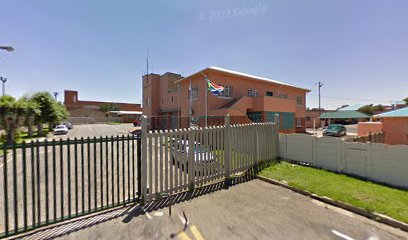
Nigel Fire Station is a Fire station establishment in Nigel, Gauteng, South Africa
Nigel Fire Station – Editorial Summary
An independent observer reviews the publicly available information surrounding the Nigel Fire Station in Nigel, Gauteng, within the City of Ekurhuleni. The official City of Ekurhuleni website provides broad guidance on municipal services, public information channels, and emergency contact details but does not appear to publish a dedicated page or customer-facing content specifically for Nigel Fire Station. As such, insights into concrete services, operations, or customer experience at this individual fire station are not directly documented on the site in the form of a station-specific overview.
From the publicly accessible resources, the City of Ekurhuleni communicates a framework for essential public safety and service delivery across its metro area. Key elements include access to emergency contact numbers for life-threatening situations, which are surfaced in a general format on the city’s portals. Readers can find prominent emergency numbers and service centres designed to assist residents in urgent scenarios, suggesting a citywide model in which fire services operate as part of a cohesive municipal emergency response system rather than as a stand-alone consumer-facing entity for a single station. The emphasis appears to be on rapid dispatch, coordination with police and medical services, and community safety messaging rather than on station-level consumer interactions.
In terms of customer interaction channels, the site demonstrates several routes that residents can use to engage with city services. For example, Siyakhokha – a WhatsApp-based channel – is highlighted as a popular public-facing tool intended to assist residents with queries and requests. While this channel is citywide, it illustrates a broader trend towards digital accessibility and real-time communication that could influence how residents engage with fire services in their local area, including Nigel. The presence of such channels indicates a preference for convenient, low-friction contact methods, which may inform expectations about responsiveness and accessibility for users near Nigel.
Operationally, the municipal information also reflects a focus on essential services such as water, electricity, waste management, roads, and urban planning. Fire protection typically sits within the realm of public safety and emergency management; however, the available content does not provide specific details on station capacities, response times, crew rosters, maintenance schedules, or community risk programmes that pertain to Nigel Fire Station itself. Consequently, the customer experience narratives that can be drawn directly about this particular station remain limited to what can be inferred from the broader city-wide public communication and emergency numbers for life-threatening events.
Typical job activities one might expect in a regional fire service context, based on common municipal practice and the public information framework, would include incident response to structural fires, vehicle fires, and related hazards; fire prevention inspections; public education and safety outreach; and coordination with other emergency responders. Yet, in the absence of station-specific disclosures, these expectations should be treated as general municipal practice rather than confirmed Nigel Fire Station operations.
Practical tips for potential visitors or residents seeking information or assistance near Nigel include: noting the general city emergency numbers for life-threatening incidents; consulting the Siyakhokha WhatsApp channel for non-urgent inquiries where available; and visiting municipal service information hubs for guidance on documentation, registrations, or public safety campaigns. Given the emphasis on accessible digital tools within the city’s communications approach, residents may find that timing and method of contact (for example, online versus phone-based) can influence response speed and the type of information provided.
When considering the location and area served, Nigel sits within Gauteng’s Ekurhuleni metro footprint. The city’s information landscape reinforces a metropolitan approach to public safety and service delivery, with residents in Nigel likely accessing the same overarching channels and emergency contacts as other communities within the metro. For those seeking updates or policies related to emergency services, it is advisable to review the City of Ekurhuleni’s current campaigns, press releases, and IDP/budget materials, which occasionally reference safety, infrastructure, and responsive service delivery that indirectly inform the broader fire safety ecosystem.
In summary, while specific, station-level details for Nigel Fire Station are not readily available in the public content provided by the City of Ekurhuleni, the metropolitan framework emphasises rapid emergency response, digital accessibility, and broad public safety communications. Prospective users should rely on the city’s general emergency numbers, digital enquiry channels, and public information portals to navigate safety services in the Nigel area, with the understanding that detailed station-focused information may require direct, location-specific engagement with the City of Ekurhuleni’s public safety offices.
Nigel
Gauteng
South Africa
Sorry, no records were found. Please adjust your search criteria and try again.
Sorry, unable to load the Maps API.
Fire Station Services in Nigel, Gauteng
Nigel, a town in Gauteng, operates fire and emergency services to protect the local community and surrounding areas. Fire stations in this region typically offer a range of essential services designed to safeguard life, property, and the environment. These services are organised to respond rapidly to emergencies and to provide ongoing safety support for residents, businesses and visitors.
Emergency response is the core function. Fire appliances and trained crews are dispatched to incidents such as fires, road traffic collisions, and other urgent situations. The response is coordinated to prioritise life safety, with on‑scene operations informed by standard safety procedures and local guidelines. In addition to fire suppression, responders often assist with rescue operations, including people trapped in vehicles or buildings, and may coordinate with other emergency services when necessary.
Medical and potentially life‑saving support is commonly available. Responders may provide basic first aid or assist coordinating medical assistance at the scene while awaiting paramedics. Equipment carried on fire appliances can include stretchers, oxygen, and trauma kits, enabling immediate care until hospital staff assume responsibility. Clear communication with hospital and ambulance services is typical to ensure a smooth transfer of patients when required.
Fire prevention and public education form a key aspect of community protection. Fire stations commonly engage in activities that raise awareness about fire safety, such as home safety assessments, school visits, and community workshops. These programmes cover topics like smoke alarm installation, escape planning, electrical safety, and the safe use of appliances. The aim is to reduce the likelihood of incidents and to equip residents with practical steps to protect themselves and others.
Fire inspection and safety compliance are other important services. Local businesses, factories, and commercial premises may receive guidance on fire risk assessments, installation integrity, and safe evacuation procedures. Inspections can help identify hazards, ensure compliance with relevant regulations, and promote a culture of ongoing safety within workplaces and public buildings.
Hazardous materials awareness and response capabilities are typically included, where applicable. While not every station handles high‑risk incidents, trained personnel are prepared to respond to scenes involving dangerous substances, contain the effects, and coordinate with specialised teams if needed. This readiness helps protect the surrounding community and the environment from potential exposure or contamination.
Community safety and engagement extend to planning for incidents that affect large groups or public events. Fire services may provide guidance on crowd management, emergency evacuation logistics, and the placement of temporary safety measures. This proactive approach supports safer events and reduces the burden on emergency resources during peak periods.
Practical considerations for accessing fire station services in Nigel include awareness of local response times, which are influenced by traffic, road layouts, and the availability of personnel after hours. Buildings and facilities around fire stations are designed to facilitate rapid response, with clear access routes for emergency vehicles and well‑maintained hydrant networks in the vicinity. Residents and business owners are encouraged to maintain clear access routes, keep driveways unobstructed, and install adequate fire safety equipment in accordance with local guidelines.
For residents seeking assistance, it is generally advised to contact emergency services through established emergency numbers in urgent situations. For non‑urgent enquiries, local fire stations may provide public information on safety programmes, licensing where applicable, and guidance on preparing for emergencies. The emphasis across Nigel is on timely, coordinated action, professional response, and a commitment to reducing risk through education and practical safety measures.