
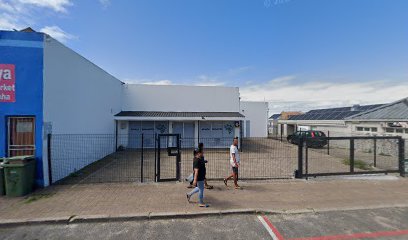
Impendulo SA is a Fire protection service establishment in Saldanha, Western Cape, South Africa
Saldanha
Western Cape
South Africa
Sorry, no records were found. Please adjust your search criteria and try again.
Sorry, unable to load the Maps API.
Fire protection services in Saldanha, Western Cape
In Saldanha, Western Cape, fire protection providers offer a range of services designed to safeguard commercial premises, industrial facilities and public spaces. The emphasis is on practical measures that minimise risk, ensure rapid response to incidents and support compliance with relevant South African regulations. Local environments, including harbour-front operations and coastal industrial sites, can influence the choice and installation of equipment as well as maintenance routines.
Typically, fire protection services begin with a comprehensive site assessment. Trained professionals identify potential fire hazards, assess building layout, occupancy, egress routes and the interplay between electrical systems, heating equipment and ignition sources. The assessment informs a tailored plan that balances safety, budget and operational needs. Where necessary, architects and facility managers collaborate on fire safety design during renovations or new builds, ensuring that equipment placement and wiring conform to recognised standards and local requirements.
The core offerings usually cover installation and maintenance of essential safety systems. These commonly include portable fire extinguishers, wall-mounted extinguishers for quick access, and specialised extinguishers for electrical or chemical hazards. Fire alarms and detection systems are installed or upgraded to provide early warning, with zones wired for reliability and ease of testing. Fire suppression systems may be specified for areas with heightened risk, such as server rooms or kitchen facilities, while residential or workplace settings benefit from clearly marked emergency lighting and illuminated exit routes.
Protection plans extend beyond equipment to include management and training. Fire protection service providers typically develop and implement evacuation strategies, including clear signage, assembly points and drill schedules. Staff training focuses on the correct use of extinguishers, emergency procedures and reporting protocols, helping organisations cultivate a culture of preparedness. Documentation supporting these activities—maintenance logs, inspection certificates and drift-free testing records—assists with regulatory compliance and practical accountability during audits.
Maintenance and testing are central to the service model. Regular servicing includes inspection of extinguishers for pressure, accessibility and corrosion resistance, testing of alarm and detection systems, verification of battery backup and circuit integrity, and routine checks of emergency lighting. In coastal locations such as Saldanha, corrosion-resistant hardware and protective coatings are commonly considered to extend equipment life, while safeguarding important electrical connections from environmental exposure. Timelines for servicing are typically dictated by equipment type and local regulations, with prompt attention to any faults detected during routine checks.
Customers can expect responsive support for incident escalation and advice on retrofitting or upgrading existing installations. When choosing a provider, it is prudent to ask about qualifications, adherence to recognised safety standards, and the ability to deliver a coordinated service that aligns with building management plans and operational schedules. Practical considerations include access for large or redundant equipment, compatibility with existing electrical systems, and the potential need for back-up power to maintain critical safety features during outages.
In Saldanha, contented clients often prioritise continuity of operations alongside safety. A reputable fire protection service delivers a balanced approach: thorough assessment, appropriate installation, ongoing maintenance and clear documentation. By integrating these elements, premises in the Western Cape can enhance emergency readiness, reduce risk and support a compliant, well-managed approach to fire safety.
- Fire hazard assessment and risk profiling
- Installation and servicing of extinguishers, alarms, detectors and emergency lighting
- Design and maintenance of suppression systems for high-risk areas
- Fire safety planning, staff training and evacuation drills
- Regular inspections, testing, certification and record-keeping