
Heat Guard Group is a Fire protection service establishment in Benoni, Gauteng, South Africa
Heat Guard Group: Fire Protection Services in Benoni, Gauteng
Heat Guard Group is a fire protection specialist delivering trusted, professional safety solutions across South Africa. Operating from bases that support nationwide clients, the company focuses on protecting lives, property, and communities through high-quality systems, expert installation, and practical training. While rooted in a broad national capability, Heat Guard Group remains an accessible option for Benoni and the broader Gauteng area, offering a local presence backed by a wide network of experience.
From risk assessment to installation, maintenance and training, Heat Guard Group emphasises a simple, reliable approach to fire safety. The business profile highlights a commitment to compliance, ensuring customers benefit from systems and services that meet recognised standards while providing peace of mind. The emphasis on practical training helps organisations empower staff to respond effectively in the event of a fire, reinforcing safety beyond the installation phase.
Main services offered
- Fire Equipment Supply & Installation: Provision and professional installation of essential fire safety gear, including extinguishers, hose reels, hydrants, and related equipment designed to protect people and property.
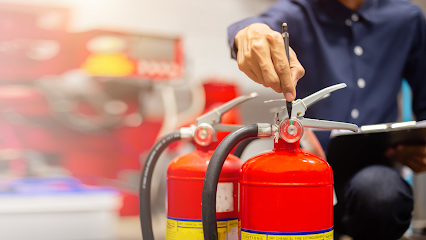
- Equipment Servicing & Maintenance: Regular inspection, servicing, and ongoing maintenance of fire safety equipment to ensure readiness and regulatory compliance.
- Fire Detection & Alarm Systems: Design, installation and maintenance of early warning systems to safeguard lives and assets through timely alerts.
- Sprinkler Protection Systems: Custom-designed automatic sprinkler solutions aimed at rapid fire detection and control to minimise damage and protect occupants.
- Gas Suppression Systems: Specialist clean-agent solutions suitable for high-risk or sensitive areas where traditional suppression methods may affect equipment or operations.
Beyond the core offerings, Heat Guard Group presents a holistic service approach described as “Fire Protection Made Simple, Effective & Reliable.” This reflects a philosophy of simplifying fire safety management while maximising protection, allowing organisations to focus on core operations rather than risk management complexity.
<h2 Typical projects and industries
While specific industries are not exhaustively listed, the service range is appropriate for facilities requiring comprehensive life safety systems and reliable maintenance regimes. Typical job types involve a combination of supply-and-installation projects, routine servicing programmes, system design and integration for fire detection, alarm apps, and sprinkler networks, as well as specialised gas suppression implementations where sensitive equipment exists.
<h2 Customer experience and evidence
Customer feedback captured on the site includes remarks about professional, efficient teams and a level of service that delivers “total peace of mind.” Clients note strong performance from installation through ongoing maintenance and the value of staff fire safety training that contributes to staff confidence and preparedness. While specific names and dates are showcased, the overall sentiment portrays dependable delivery and consistent safety outcomes.
<h2 How requests usually work
Heat Guard Group presents a straightforward process: assessment of needs, recommendation of appropriate fire protection solutions, followed by installation and ongoing maintenance. Training is positioned as an integral component, enabling organisations to understand and operate their systems effectively. A straightforward contact route is provided for obtaining a quote or initiating a project, reflecting an emphasis on clear, accessible customer engagement.
<h2 Practical tips for customers
- Clarify the exact scope of requirements early—whether it is equipment supply, full-system installation, or maintenance—and confirm any regulatory or insurance expectations to ensure compliance from the outset.
- Request a written plan that details the sequence of activities, maintenance intervals, and any training modules included in the package.
- Ask about system compatibility with existing infrastructure, and whether modular upgrades are possible to accommodate future safety needs.
- Prepare a basic premises layout to assist in accurate system design, such as areas with high fire risk, accessibility considerations, and critical equipment locations.
- Schedule installations and training during periods that minimise disruption to operations, and verify any required shut-down windows for testing and commissioning.
<h2 Location and service area
Heat Guard Group operates nationwide within South Africa, with a focus on delivering fire protection solutions that support businesses and communities. The company is accessible to clients in Benoni, Gauteng, while offering broader coverage across the province and country as needed.
<h2 Practical information for interested parties
Contact channels are provided for requesting a quote or for more information, including a dedicated contact page and email address. Visitors can also access detailed service descriptions and company information through the website’s service pages and profile materials.
Benoni
Gauteng
South Africa
Sorry, no records were found. Please adjust your search criteria and try again.
Sorry, unable to load the Maps API.
Fire Protection Services in Benoni, Gauteng
In Benoni, a town within Gauteng’s urban corridor, fire protection services are a fundamental component of building safety and business continuity. Local providers cater to a diverse range of premises, from commercial offices and retail spaces to industrial sites and residential complexes. The emphasis is on proactive prevention, compliant installation, and rapid response to incidents, all tailored to the specific risks and regulations that apply in South Africa.
Typical offerings fall into several interrelated categories. Fire risk assessment identifies potential hazards, evaluates occupancy risk, and recommends mitigations aligned with national standards. Fire alarm systems, including detection and audible warning devices, form a cornerstone of early warning, while automatic fire suppression options provide targeted control where fires are likely to start. Emergency lighting and exit signage support safe evacuation during incidents. Passive fire protection, such as fire-stopping and compartmentalisation, helps contain fires and protect critical areas.
Installation services cover a spectrum from basic compliance-ready fire alarm networks to more comprehensive systems integrated with building management technologies. Maintenance programmes are essential for ensuring that alarms, extinguishers, and suppression equipment function reliably. Regular testing, inspection, and servicing are typically conducted to meet regulatory requirements and industry best practices, with documentation of tests and any remedial work kept for reference and audits.
Business premises often require a combination of fire extinguishers, hose reels, and specialised suppression solutions for electrical rooms or high-hazard areas. In industrial environments, fire protection engineers may design and implement automatic extinguishing systems in line with risk assessments, while offices and retail spaces focus more on early detection and safe evacuation. Pressure test and inspection regimes for fire doors, dampers, and passive fire protections are common elements of ongoing compliance efforts.
Emergency planning forms another essential service strand. This involves developing clear evacuation procedures, assembly points, and staff training on fire safety roles. Drills are typically scheduled to familiarise occupants with alarm sounds and escape routes, reinforcing a culture of preparedness. The approach is pragmatic and site-specific, emphasising practical egress routes, signage, and communication plans that minimise disruption during routine operations and in the event of an incident.
Practical considerations for fire protection in Benoni include adherence to South African standards and local authority requirements. Building owners and occupants should be aware of maintenance cycles, certification timelines, and budgeting for both upgrades and ongoing services. Accessibility to qualified technicians, response times, and the ability to source spare parts locally can influence the overall resilience of a facility. In areas with high heat and dust exposure, equipment selection may prioritise robustness and suitability for local conditions.
Customers can expect informed assessments that balance protection, cost, and operational needs. Reputable providers will outline the scope of work, recommended protections for different areas of a property, and the expected lifecycle of equipment. Where fire protection systems intersect with electrical or mechanical services, coordination between trades can be an important factor in achieving reliable performance and minimal downtime.
In Benoni, the fire protection landscape is characterised by a practical, risk-based approach that aligns with regulatory expectations and the realities of local commerce. By engaging knowledgeable professionals, property owners and managers can establish and maintain a safety framework that supports compliant operation, safer workplaces, and greater certainty in the event of a fire.