
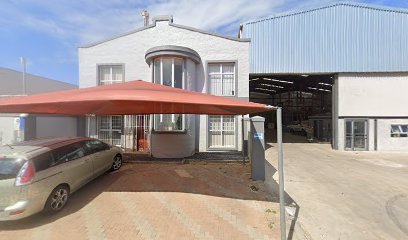
HAFEXSA is a Fire protection system supplier establishment in Lwandle, Western Cape, South Africa
Lwandle
Western Cape
South Africa
Sorry, no records were found. Please adjust your search criteria and try again.
Sorry, unable to load the Maps API.
Fire Protection System Supplier Services in Lwandle, Western Cape
In Lwandle, Western Cape, fire protection system suppliers provide a range of services designed to safeguard businesses, homes, and public facilities. The offering typically encompasses both advisory support and practical implementation, ensuring that fire safety arrangements meet local regulations, environmental conditions, and the specific risks associated with different premises. The approach is pragmatic and outcome‑focused, aiming to minimise risk while maintaining continuity of operations for clients in coastal and suburban settings alike.
Consultation and site assessment form the foundation of most engagements. An experienced supplier will inspect the site to understand building layout, occupancy, escape routes, electrical systems, and potential fire hazards. From this assessment, a tailored plan is developed that aligns with the client’s risk profile and budget. The goal is to identify appropriate solutions rather than to promote a one‑size‑fits‑all package. This initial phase often leads to a formal quotation that outlines the recommended equipment, installation scope, and any compliance considerations.
Common services available in Lwandle include the supply and installation of fire alarm systems, detection networks, and notification appliances. Fire suppression options may be discussed for high‑risk areas, such as server rooms or delicate equipment storage, alongside portable extinguishers and fire blankets for immediate action. Suppliers may also offer access control and emergency lighting components as part of a broader safety strategy. The focus is on ensuring early detection, clear signalling, and reliable means for occupants to respond swiftly in an emergency.
Commissioning and testing are essential stages in delivering a functional system. After installation, systems undergo a sequence of checks to verify correct wiring, power supply, sensor responsiveness, and interlinking with extinguishing or suppression modules where applicable. In many cases, technicians provide a formal handover that includes basic operating instructions and an outline of maintenance requirements. This documentation supports ongoing safety management and simplifies future inspections or audits.
Maintenance and service contracts are a central part of the practical management of fire protection systems. Regular servicing helps uphold performance, extend the lifespan of equipment, and ensure compliance with local codes. Servicing may cover routine inspections, battery checks, sensor recalibration, and the replacement of worn components. For multi‑site clients, service scheduling is often organised to minimise disruption and to align with site‑specific access arrangements and security policies.
Practical considerations for clients in Lwandle include proximity to manufacturers and service partners, which can influence response times and spare‑part availability. Local climate, coastal humidity, and occasional power fluctuations are factors that influence equipment selection and preventive maintenance plans. The most effective supplier relationships tend to emphasise clear communication, transparent pricing, and a disciplined approach to project management, ensuring trades work in harmony with building management and other safety disciplines.
Potential customers can expect a collaborative process that respects the realities of operating within Western Cape communities. This typically involves risk assessment, compliant design and installation, systematic testing, and a commitment to ongoing maintenance. While specific equipment and brand names may vary, the overarching objective remains consistent: to provide reliable fire protection solutions that protect lives, property, and business continuity in Lwandle and the surrounding area.
- Site assessment and risk profiling
- Design and specification of alarms, detection, and notification systems
- Fire suppression and extinguishing options where appropriate
- Installation, commissioning, and operator handover
- Maintenance, inspections, and service contracts
- Emergency planning support and staff training