
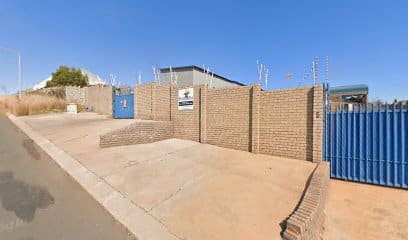
Fire Protection Chemicals is a Fire protection service establishment in Krugersdorp, Gauteng, South Africa
Fire Protection Chemicals: Passive fire protection for thatch, timber, textiles and more in Krugersdorp
Fire Protection Chemicals operates as a specialised manufacturer of passive fire protection solutions in Krugersdorp, Gauteng. Established in 2007, the business supplies a range of water-based, environmentally friendly products designed to reduce ignition risk and slow the spread of fire in vulnerable materials. The company emphasises laboratory testing and field performance, aiming to give installers and property owners peace of mind through verifiable results.
The core offering centres on two broad strands: a family of specialised fire retardants for building substrates and a programme of trained applicators. The product line focuses on protective coatings and treatments for thatch, timber, cables, textiles and drift- and veld-type fire scenarios. The Thatch Marshal, Mine Marshal, Textile Marshal and Emergency Firebreak Control 8000 products form the branded range, each designed for specific substrates and installation conditions. The portfolio is supported by data sheets, safety information, application instructions and performance data, all aimed at helping customers understand how to achieve the intended protective effect.
Among the principal services described are the supply and utilisation of tested fire retardant systems and the deployment of trained applicators across Southern Africa. The company notes that all products have undergone rigorous testing and that installers follow prescribed systems to ensure outcomes comparable with tested standards. The emphasis on verification and documentation is meant to safeguard against counterfeit products and undocumented practices—a recurring concern in this sector.
The technical backbone centres on Thatch Marshal 8000, a water-based, non-toxic co-polymer emulsion with added fire retardant components. It is designed to retard ignition and water resistance while helping to petrify cellulose, thereby reducing the likelihood of a roof catching fire. The system requires a two-coat application sequence for exterior and interior surfaces, with specific application pressures and coverage rates to achieve optimal results. Evidence of full cure appears as a white, powdery by-product, which washes away with rain, reflecting the material’s migration into the thatch during the curing period.
Mine Marshal 8000 offers intumescent protection for timber, steel and electrical cables, with performance claims including protection up to 1049°C and durations of up to two hours depending on thickness. This product is positioned for industrial settings such as mezzanine floors, roof trusses, cables, fire doors and mining timber, valued for being easy to apply and halogen-free. Textile Marshal 8000 is aimed at textiles, drapery, upholstery, carpets and rugs, including natural, synthetic and blended fabrics, with interior use and reapplication required after washing. Emergency Firebreak Control 8000 serves as an emergency measure to create or maintain firebreaks, offering rapid fire suppression and environmental compatibility, but requiring re-application after rainfall and caution in mixing and equipment use.
Customer experiences are represented by a testimonial highlighting effective containment of damage following a lightning strike that damaged a thatch roof. The cited outcome describes limited damage and no spread of fire, underscoring the perceived reliability of treated structures. Reviews from visitors also indicate awareness of the Krugersdorp location (5 Dieperink Street, Delporton) and the importance of verifying product legitimacy and documentation before installations.
Typical job types and industries mentioned in the available content align with residential thatch roofs, commercial timber and cable installations, textiles in interiors, and mining or industrial premises where fire protection is critical. For potential clients, practical considerations include ensuring adherence to the prescribed application procedures, conducting checks for proper documentation and test reports, and maintaining awareness of curing timelines and post-application care.
Practical tips for customers
- Verify product legitimacy and request documentation to confirm test reports and compliance before commissioning an application.
- Follow the prescribed application system exactly, including coating thickness, spray/pressure settings and interior/exterior coverage to avoid suboptimal protection.
- Be aware of curing times and post-treatment care, particularly for Thatch Marshal 8000, which migrates into thatch over approximately 21 days and may show a white, washable by-product during curing.
- Consult the relevant data sheets and MSDS for handling, safety and application instructions specific to the substrate being treated.
- Plan for ongoing maintenance and potential reapplication, particularly for textiles and emergency firebreak products that may require refreshment after cleaning or weather events.
Operational details such as business hours are not specified in the available content. The Krugersdorp area, including Delporton, is identified as the primary locality served, with products designed for use on thatch, timber, cables and textiles. The emphasis throughout is on verified performance, trained applicators and avoidance of counterfeit products, ensuring a trustworthy, evidence-based approach to fire protection in the local market.
Krugersdorp
Gauteng
South Africa
Sorry, no records were found. Please adjust your search criteria and try again.
Sorry, unable to load the Maps API.
Fire Protection Services in Krugersdorp, Gauteng
Fire protection services in Krugersdorp and the wider Gauteng region encompass a broad range of safety measures designed to safeguard people, property and equipment. Local businesses and residents typically rely on a combination of passive and active systems, professional installation, routine maintenance, and compliant inspections to manage fire risk effectively in a high-density urban environment.
Providers in this area commonly offer design advice and installation for active fire protection systems such as fire alarms, authorised detection networks, and manual call points. Alarm systems are installed to provide early warning and enable swift evacuation, while firefighting equipment such as extinguishers and hose reels is placed for immediate accessibility. Fire detection and alarm installations are tailored to the layout and occupancy of the premises, taking into account factors like population flow, critical equipment, and potential ignition sources. In commercial properties, shopping centres, factories, and offices, these systems are often integrated with building management or security systems to ensure rapid response and comprehensive monitoring.
Passive fire protection is another core element. This includes fire-rated walls, doors, ceilings, and compartmentalisation strategies intended to limit the spread of flames and smoke. In a town like Krugersdorp, where older structures may require upgrades, professionals frequently assess existing passive measures and advise on improvements to meet current standards and improve overall resilience. Proper compartmentalisation can be crucial for isolating incidents and providing safer egress routes for occupants during emergencies.
Fire protection services commonly extend to fire suppression and prevention for specific sectors. For industrial facilities and manufacturing sites situated near Gauteng’s urban peripheries, a consultant may evaluate the suitability of extinguishing systems such as water mist, foam, or specialised suppression for sensitive machinery. In addition, consideration is given to the maintenance of sprinklers, whether wet, dry, or deluge configurations, to ensure readiness and reliability when required. It is noted that regional requirements and climate considerations influence the choice of equipment and maintenance schedules.
Maintenance and servicing form a large part of the routine for fire protection in Krugersdorp. Regular inspections, testing, and servicing are typically conducted by qualified technicians who follow established protocols to verify system integrity. Servicing may include battery checks, panel diagnostics, calibration of detectors, and ensuring that alarms and call points function correctly. Documentation of service visits is commonly maintained to support compliance obligations and provide a clear history for building owners and insurers. In practice, maintenance plans are frequently customised to the risk profile of each site, the equipment installed, and the occupancy pattern of the premises.
When selecting a fire protection service, clients in Krugersdorp are advised to consider factors such as response times, regulatory compliance, and the breadth of services offered. It is valuable to review the experience with local office or retail spaces, manufacturing floors, or warehouses, as the operational needs can differ markedly. Site surveys are typically undertaken to identify vulnerabilities and to propose a practical, cost-conscious programme that aligns with risk tolerance, budget, and statutory requirements. Training and familiarisation for building occupants may also be provided in some cases, aiding in orderly evacuation and appropriate use of firefighting equipment during an incident.
Practical considerations for residents and organisations include ensuring access for service teams, clear tagging of fire escape routes, and maintaining unobstructed access to equipment such as extinguishers and panels. Given Gauteng’s climate and urban structure, the emphasis often lies on reliable detection, robust alarm systems, and well-maintained suppression and passive protection measures. In summary, fire protection services in Krugersdorp offer a comprehensive framework to prevent incidents, enable rapid response, and preserve safety across a diverse range of buildings and operations.
- Combined passive and active protection strategies
- Site-specific design and installation of alarms and detectors
- Regular maintenance, testing, and documentation
- Protection for commercial, industrial, and residential properties
- Adherence to local regulations and safety best practices