
Extreme Thatchers & Thatch Fire Protection is a Fire protection service establishment in Krugersdorp, Gauteng, South Africa
Extreme Thatchers & Thatch Fire Protection — Fire protection and thatching services in Krugersdorp, Gauteng
Extreme Thatchers is described as a South African family business operating from the Western Rand, with services extending across areas in Gauteng. The firm presents itself as specialising in both the aesthetic and practical aspects of thatch, offering full installation, maintenance and protection solutions intended to prolong the life and value of thatched structures. The company emphasises a hands-on, family-led approach and positions itself as providing customised options for those seeking to create or refresh entertainment spaces such as thatch-lined lapa enclosures and associated decking.
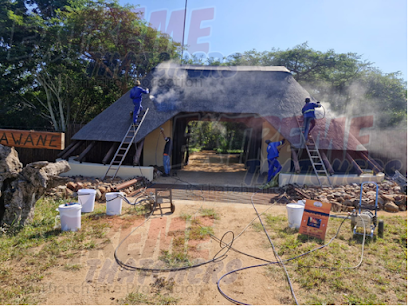
The core services cover both new installations and enhancements to existing thatch roofs. Clients can consider new thatch roofs for houses or freestanding structures, as well as options for over-thatching (re-thatching over existing reed or grass). A comprehensive maintenance offering is highlighted, including brushing, repairs and general upkeep of thatch roofs, as well as the application of thatch tiles on both new and existing roofs. A notable feature of the service mix is Thatch Fire Protection, marketed as Thatch Fire Guard, which is presented as a key element in extending roof life, protecting the thatch from fire and improving overall durability against pests and environmental stress.
In addition to roofing, the business markets broader construction capabilities relevant to outdoor living and landscaping. Services include building entertainment areas, braais and paving, along with decking installations. The overall message communicates a willingness to shape spaces to client specifications, with attention to practical considerations such as sun exposure, roof shape and potential fire risks. Advisors are purportedly available to discuss whether plans are needed, alongside guidance on the most suitable positioning and design choices to balance aesthetics with safety.
From a technical perspective, the company highlights particular standards and materials used in thatching projects. The information published on the site indicates a focus on Cape Thatch Reed for interior surfaces and thatching grass for the outer layer, along with specific grass grain quality requirements (reeds of 2–3 mm, winter-harvested grass). A thickness guideline of 175 mm for thatch is stated, with structural components described in terms of pole dimensions, anchoring methods, and corrosion-resistant joints. The firm asserts that main structural poles are treated (SABS-approved, Tanalith treated) and that groundwater drainage is considered to prevent rotting. The assurance of workmanship is reinforced by warranty periods: one year on the grass layer and two years on the structure, according to the publicly shared notes about thatching works.
Fire protection is presented as a distinct offering with a practical pricing approach. The Thatch Fire Guard is described as providing safety and peace of mind, extending the life of the thatch, offering insect protection, reducing indoor pollutants, UV damage, and potentially lowering home insurance costs. The cost model is explained by a floor-area calculation: measuring from overhang to overhang, determining the normal floor area and multiplying by 1.45 (the approximate roof angle) to derive total thatch area, with final pricing dependent on roof size and travel. Certification for completed fire protection work is claimed to be accepted by local municipalities and many insurers, reflecting a belief in the programme’s legitimacy within regulatory and insurance contexts.
The business states it serves clients in Krugersdorp and the wider Gauteng region, emphasising a responsive, customer-focused ethos. A contact section shows a representative, Charl Thompson, with a local telephone number and email addresses, and notes that the team is based in the Westrand while offering service coverage in all areas. This adds a practical layer for prospective customers seeking to understand availability and access during daylight hours, though specific hours of operation are not published on the site.
Practical tips for prospective customers include engaging early in discussions about sun positions, potential fire hazards, and the planning requirements for thatch projects. When considering Thatch Fire Guard, clients are advised to consult with insurers about certificate acceptance and any additional requirements such as lightning protection, though the firm asserts that certificates are generally accepted. Given the breadth of work—from roofing to outdoor living spaces—clients are encouraged to obtain detailed quotations that clearly separate materials, labour, travel and any required plans. This helps create transparency across the scope of projects and their associated safety commitments.
Overall, Extreme Thatchers & Thatch Fire Protection presents a comprehensive offering for those seeking to build or refurbish thatch structures, paired with a specialised fire protection service designed to mitigate risks inherent to thatching. The combination of traditional thatching expertise, structural durability considerations and a dedicated fire protection solution positions the business as a notable option for property owners and developers within its operating area.
Krugersdorp
Gauteng
South Africa
Sorry, no records were found. Please adjust your search criteria and try again.
Sorry, unable to load the Maps API.
Fire Protection Services in Krugersdorp, Gauteng
In Krugersdorp, Gauteng, fire protection services form a crucial component of commercial and residential safety plans. Providers in this area typically offer a broad range of solutions designed to reduce risk, ensure rapid response in emergencies, and support ongoing compliance with local safety regulations. The emphasis is often on practical installation, thorough maintenance, and clear guidance for property managers and business owners navigating fire safety requirements in South Africa.
Common services encompass a multi‑layered approach to fire protection. Design consultancies assess buildings to determine appropriate fire protection measures based on use, occupancy, and risk level. This may lead to recommendations for fire alarms and detection systems, together with suppression options for high‑risk zones. The goal is to create a coherent system where detection, notification, and suppression work in concert to protect lives and property.
Key elements frequently included in service offerings are described below. First, fire alarm systems and detection devices are installed to provide early warning of smoke, heat, or flame. These systems are designed to alert occupants promptly and to trigger automatic responses where appropriate. Second, portable extinguishers and specialised suppression equipment are supplied and positioned for easy access, with staff training provided on safe and effective use. Third, emergency lighting and exit signage are installed to guide people to safety during an evacuation, even if mains power is interrupted.
For many premises, ongoing maintenance forms a core part of ensuring reliability. Regular inspections and tests are conducted to verify that alarms sound correctly, batteries or power supplies remain adequate, and detectors are free from obstructions. Maintenance programmes may also cover fire doors, ensuring that self‑closing mechanisms operate properly and that door hardware remains compliant with safety requirements. Hydrant systems, where present, receive periodic checks to confirm pressure adequacy and functional water supply in the event of a fire incident.
Risk assessments are commonly offered to identify vulnerabilities in a building’s fire safety posture. Such assessments consider occupied hours, the presence of flammable materials, electrical installations, and the readiness of occupants to respond to alarms. The resulting recommendations guide both initial installations and subsequent upgrades, helping buildings adapt to changing needs and regulatory expectations.
Practical considerations for clients in Krugersdorp include coordinating fire protection work with other facilities management activities and scheduling routine servicing to minimise disruption. It is typical for providers to offer service plans that outline suggested inspection frequencies, response times for urgent issues, and documentation suitable for compliance audits. Where automatic systems are installed, service teams are often prepared to carry out system resets, software updates, and fault diagnostics to maintain continuity of protection.
Choosing a fire protection service in this region usually involves evaluating the provider’s local experience, responsiveness, and ability to work within the constraints of South African safety legislation. Customers may seek clarity on who performs on‑site inspections, how findings are reported, and what practical steps are recommended to address any identified gaps. Emphasis is placed on clear communication, reliable scheduling, and transparent pricing for routine maintenance and emergency call‑outs.
Overall, fire protection services in Krugersdorp are aimed at delivering a dependable, integrated safety framework. By combining design advice, installation of alarm and detection systems, suppression options, and disciplined maintenance, these services support safer workplaces and homes across Gauteng, while helping clients navigate the regulatory landscape with confidence.