
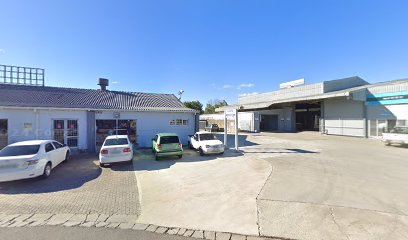
Bayteck Fire CC is a Fire station establishment in George, Western Cape, South Africa
George
Western Cape
South Africa
Sorry, no records were found. Please adjust your search criteria and try again.
Sorry, unable to load the Maps API.
Fire station services in George, Western Cape
Georgians benefit from a structured fire and rescue service that operates within the Western Cape’s municipal framework, delivering a range of essential emergency responses and preventative measures. The fire stations in and around George are equipped to handle both urban incidents and rural or coastal hazards that characterise the region. An outside observer notes that the services are designed to protect life, property, and the environment, with cooperation from neighbouring towns and provincial authorities when required.
Coverage and response
Fire protection in George is organised to provide rapid response to urban buildings, commercial premises, and residential neighbourhoods, as well as to rural properties and outlying farms. Fire trucks and rescue units can be dispatched for fires, road traffic incidents, hazardous materials scenarios, and water rescue operations. In practice, response times depend on traffic conditions, weather, and the location of the incident relative to the nearest station. Fire crews follow established incident command protocols, prioritising life safety, incident stabilisation, and the protection of surrounding structures and ecosystems.
Rescue, protection and prevention services
The scope of work commonly includes:
- Fire suppression and containment for domestic, commercial, and industrial fires
- Rescue operations, including vehicle extrication, entrapment scenarios, and confined-space incidents
- Emergency medical response and basic life support where trained personnel are deployed
- Hazardous materials awareness and containment, with procedures to manage spills and exposures
- Water rescues and flood response in areas near streams, rivers, and watercourses
- Wildfire mitigation and response in the region’s fynbos and eucalyptus landscapes, particularly during dry, windy periods
- Fire prevention, risk assessment, and site inspections for compliance with safety standards
- Public education on fire safety, including home fire escape planning and community fire drills
- Community outreach programmes aimed at schools, businesses, and organisations
What customers can expect
Visitors and residents should anticipate a professional approach marked by clear on-scene assessments, controlled operations, and ongoing communication with incident stakeholders. For routine inquiries, businesses and households can expect straightforward guidance on safety practices, fire precautions, and how to conduct risk assessments. When there is a fire or emergency, the priority is rescue and stabilisation, followed by containment and minimisation of further damage. After incidents, routine investigations and reporting may be conducted to determine causes and to inform future prevention strategies.
Practical considerations
- Access and premises safety: Fire stations prioritise clear access for responding vehicles; on-site security and parking considerations are commonly managed to avoid obstructing responses.
- Partnerships: Local authorities collaborate with provincial resources for larger or more complex incidents, ensuring a coordinated response across the Garden Route and surrounding areas.
- Prevention emphasis: Regular fire safety audits, inspections of commercial premises, and community education sessions are typical components of proactive safety work.
- Seasonal factors: The Western Cape’s climate, coastal weather, and dry seasons influence readiness, with particular attention to wildfire risk periods and increased call volumes.
In conclusion, fire station services in George, Western Cape, blend urgent response capabilities with preventative and educational initiatives. The aim is to safeguard life, protect property, and reduce environmental impact through professional, well-coordinated operations and community engagement.