
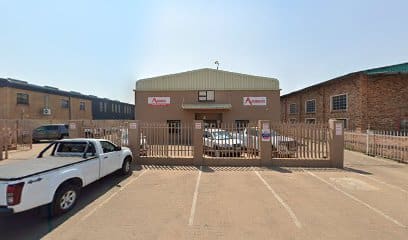
Advanced Fire Suppression Technologies is a Fire protection equipment supplier establishment in Emalahleni, Mpumalanga, South Africa
Emalahleni
Mpumalanga
South Africa
Sorry, no records were found. Please adjust your search criteria and try again.
Sorry, unable to load the Maps API.
Fire Protection Equipment Supplier Services in Emalahleni, Mpumalanga
In Emalahleni, Mpumalanga, fire protection equipment suppliers play a critical role in safeguarding businesses, facilities and communities. These providers specialise in sourcing, supplying and supporting a broad spectrum of devices designed to detect, deter and suppress fires. The emphasis is on rapid access to dependable gear, compliant with local regulations and tailored to the needs of industries ranging from commercial offices and retail spaces to mining operations and industrial plants.
Visitors to the region can expect services that emphasise practical, solution‑driven support. Reputable suppliers typically offer a mix of product provisioning, technical advice and after‑sales assistance to help clients establish effective fire safety measures. From assessment and planning through to installation and ongoing maintenance, the objective is to create reliable fire protection while minimising downtime and disruption to operations. The local climate and industrial landscape influence stock availability, with emphasis on durable, easy‑to‑use equipment suitable for a variety of site conditions.
One of the core functions is to provide a range of fire detection and suppression equipment. This includes smoke and heat detectors, fire alarm systems, manual call points, and protected power supplies. Alongside detection, suppliers commonly offer several forms of suppression equipment, such as portable extinguishers, fire blankets, and fixed systems appropriate to the risk profile of a site. The selection is guided by the nature of the premises, the materials stored on site and the level of risk assessment conducted by the customer.
Another essential service involves compliance and documentation. Fire protection equipment suppliers assist organisations in meeting statutory and insurer requirements by supplying equipment that aligns with recognised standards and local regulations. This can include storage recommendations, servicing intervals, and records of maintenance. Proper documentation supports accreditation processes and helps demonstrate due diligence in fire safety planning.
Practical considerations for clients typically include accessibility, maintenance scheduling and the ability to source replacement components quickly. Fire safety gear is subject to regular inspection and testing, and many suppliers offer preventative maintenance programmes, inspections, and ballast checks to ensure systems remain operational. Clients benefit from guidance on disenfranchised components, battery replacements, and the lifecycle planning needed to manage consumables and device obsolescence. For sites with evolving needs, the ability to adapt or scale protection measures is highly valued, as is clear communication regarding any upgrades or regulatory changes.
In Emalahleni, a broad geographical catchment means that service providers often prioritise responsive delivery and on‑site support. This can include site surveys to identify equipment gaps, installation of new devices, relocation of components as facilities expand, and the integration of protection systems with existing infrastructure. The emphasis is on minimising disruption while ensuring that installations meet safety standards. Suppliers may also advise on emergency response considerations, such as the placement of extinguishers and alarms in high‑traffic areas, to optimise accessibility and visibility during an incident.
Typical engagements with fire protection equipment suppliers may start with a risk assessment or consultative review, followed by a tailored proposals process. Once a plan is agreed, equipment is supplied and installation is conducted by qualified technicians. After installation, ongoing maintenance, testing and certification cycles are arranged to maintain compliance and readiness. The relationship with customers is often characterised by clarity, reliability and a proactive approach to safety, with resources available for staff training on the correct use of equipment and basic safety procedures.
- Fire extinguishers (various types and sizes)
- Fire blankets and safety equipment
- Smoke and heat detectors, alarms, and control panels
- Manual call points and audible warning devices
- Fixed and portable suppression systems
- Emergency lighting and exit signage
- Inspection, servicing and maintenance programmes
- Compliance documentation and risk assessments