
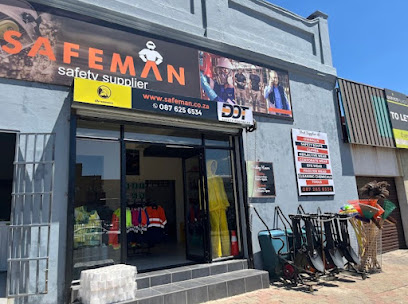
Safeman Safety Supplier is a Clothing alteration service establishment in Benoni, Gauteng, South Africa
Benoni
Gauteng
South Africa
Sorry, no records were found. Please adjust your search criteria and try again.
Sorry, unable to load the Maps API.
Clothing alteration services in Benoni, Gauteng
In Benoni, Gauteng, clothing alteration services cater to a broad range of needs, from simple repairs to customised fittings. Local practitioners typically handle garments for daily wear, professional attire, and special occasions, offering practical solutions to ensure that clothing fits well and performs as expected. Customers can expect a calm, measured approach to tailoring, with attention paid to both the construction of the garment and the desired final silhouette.
Common alteration work includes basic repairs such as mending seams, darning small holes, replacing buttons, and re-stitching hems. More involved adjustments may include taking in or letting out sides of jackets, trousers, and skirts; shortening or lengthening trousers and sleeves; and adjusting sleeve width or shoulder fit. Alterations shops in the area also routinely address issues with zips, buttonholes, and elastic waists, along with re-styling details like pleats and darts to refine the garment’s drape.
Fabrics and construction influence the alteration process. Natural fibres such as cotton, linen, silk, and wool often require careful seam work and pressing to maintain texture and sheen, while synthetic materials may respond differently to heat and tension. Some establishments in Benoni also offer expert repairs for leather, denim, and wedding or evening wear, where stitching, lining, and structural considerations demand specialised techniques. Where appropriate, fabrics are handled with appropriate pressing, interfacing, and reinforcement to preserve integrity and prolong wear.
Most alteration services begin with a consultation or initial assessment, either through a drop-off with a brief description of needs or a quick fitting. Custom or complex alterations typically involve one or more fittings to verify measurements and the garment’s balance when worn. The patient, careful evaluation at fittings helps ensure that alterations align with the wearer’s posture and preferred comfort level. After final adjustments, garments are typically pressed and returned clean, ready for wear. Some providers may offer additional finishing steps, such as hem blind stitching or lining adjustments, to achieve a neat, professional look.
Practical considerations influence which alteration service is most suitable. Turnaround times vary depending on workload, garment complexity, and whether multiple pieces require adjustment. Some clients prefer services that offer same-day or next-day options for minor alterations, while more technical work, such as bespoke tailoring or formalwear adjustments, may require longer planning and fitting sessions. Cost is usually determined by the type of alteration, fabric difficulty, and the number of fittings required; many shops provide a quoted price after the initial assessment or offer a ballpark range for common requests.
Customers in Benoni should consider the shop’s expertise with specific garment categories, such as formalwear, casual wear, uniforms, or ceremonial attire. Availability of on-site tailoring versus external referrals can vary, as can the provision of professional finishing touches like steam pressing, crease retention, or garment care advice. Practically, it is advisable to bring relevant accessories or prior alterations to a fitting—such as shoes for vertical balance checks or a belt to assess waist fit—to achieve a more accurate result.
In summary, clothing alteration services in Benoni provide practical, adaptable solutions to improve fit, comfort, and longevity of garments. By combining measured consultation, careful fabric handling, and staged fittings, these services help residents extend the life of their wardrobe while achieving a customised appearance suitable for daily life, work, and special occasions.
- Typical services: hems, take-ins/let-outs, sleeve adjustments, zip repairs, button/snap replacement, lining alterations, and basic mending.
- Common considerations: fabric type, garment construction, required fittings, and achievable alteration outcomes.