
D Three Fire Tech Pty Ltd is a Fire protection service establishment in Ceres, Western Cape, South Africa
Western Cape
South Africa
Sorry, no records were found. Please adjust your search criteria and try again.
Sorry, unable to load the Maps API.
Fire Protection Services in Ceres, Western Cape
Fire protection services in Ceres, Western Cape, are typically assembled to address a range of commercial, industrial, and residential needs. Clients can expect a practical combination of risk assessment, system installation, regular maintenance, and advisory support that aligns with local conditions and regulatory expectations. In this region, service providers commonly emphasise reliability, swift response, and clear guidance tailored to the distinctive landscape and built environment of the Western Cape.
A core offering revolves around fire risk assessment. Trained technicians inspect premises to identify potential ignition sources, evaluate occupancy patterns, and determine the appropriate level of protection. The assessment helps prioritise actions, from basic duties such as ensuring clear escape routes to more involved measures like installing or upgrading detection and suppression equipment. In Ceres, where premises may range from workshops and retail stores to agricultural facilities, risk profiles can vary considerably, making bespoke analysis particularly important.
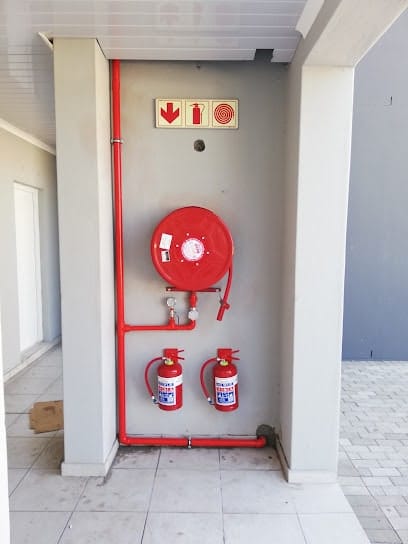
Installation services cover a broad spectrum. Fire detection systems, including smoke and heat detectors, form a central component, often integrated with audible alarms and visual indicators. Automatic suppression systems, where appropriate, might be installed for high-risk areas such as machinery rooms, electrical panels, or warehouses. Portable fire extinguishers are typically supplied and positioned for easy access, while firefighting equipment and signage are installed in accordance with applicable regulations and site plans. Where needed, emergency lighting and exit signage are incorporated to support safe evacuation in low-visibility conditions.
Maintenance and servicing constitute another fundamental pillar. Routine inspections, testing, and component replacement help ensure a system remains functional between annual service visits. Servicing appointments commonly cover detection devices, control panels, extinguishers, batteries, and interlinking systems. In addition to routine checks, technicians may perform minor repairs, recharge extinguishers, and update tamper-proof seals or logbooks to demonstrate ongoing compliance. Clients benefit from maintenance plans that outline service frequency, response expectations, and documentation that can be used for internal safety programmes or external audits.
Support and advisory services accompany the technical work. Many providers offer on-site consultations to review existing protection measures, update evacuation plans, and assist with staff training. While the specifics of any programme vary, customers in Ceres often value guidance on practical daily safety practices, such as ensuring clear egress routes, maintaining access to extinguishers, and coordinating fire drills with building occupants. Some locales may require filing basic compliance reports or maintaining records for regulatory review, and service partners are typically familiar with these administrative aspects.
Practical considerations shape how fire protection services are delivered in Ceres. Site access, electrical supply reliability, water availability for certain suppression systems, and local climate patterns can influence system selection and installation sequencing. Premises may range from compact commercial units to larger industrial sites, each presenting unique layout challenges that affect detector placement, piping routes, and control panel positioning. Service plans usually include a warranty on equipment and a defined timetable for follow-up checks, ensuring ongoing protection as building use evolves.
Overall, customers engaging fire protection services in Ceres can expect a measured, safety-focused approach rooted in practical assessment and responsive maintenance. The emphasis remains on clear risk identification, appropriately scaled protection measures, and dependable service arrangements that support safe operations for businesses and residents alike in the Western Cape.