
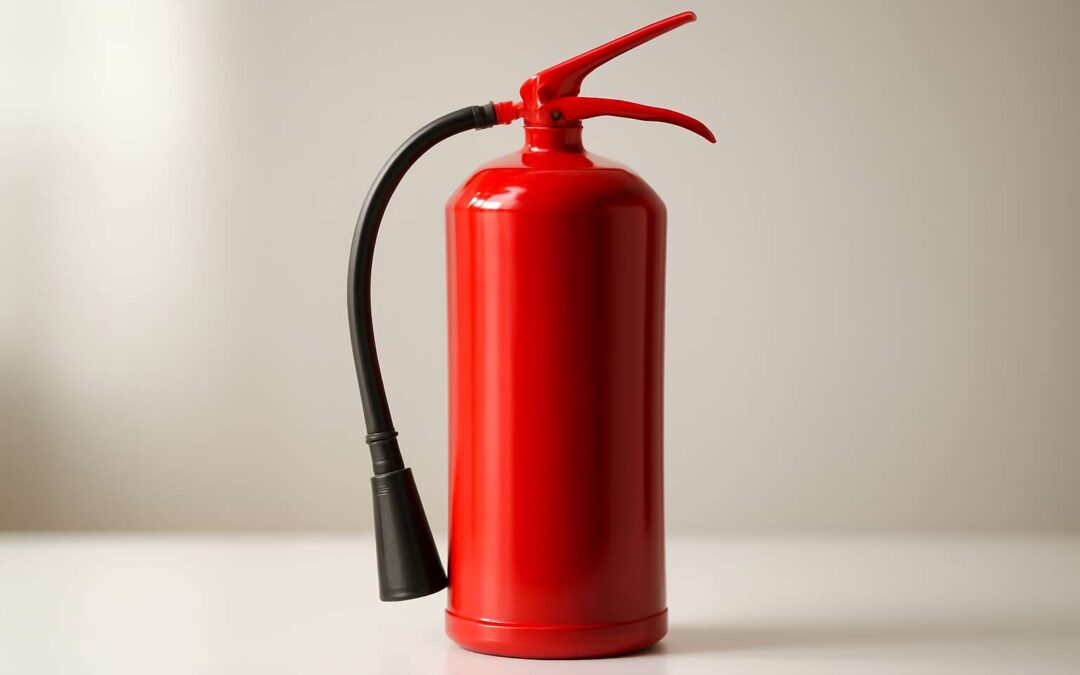
Understanding extinguishers without a pressure gauge
What a pressure gauge does and why some models omit it
“The gauge is the metronome of readiness,” a seasoned safety technician once observed, and the sentiment rings true in South African workplaces. Understanding extinguishers without a pressure gauge clarifies their design.
A pressure gauge normally shows the canister’s internal pressure, indicating safe operating range. Some models omit it for simplicity or durability, relying on robust seals and periodic inspections to confirm status. A fire extinguisher without pressure gauge may still meet safety expectations when labeled and serviced on schedule.
- Cost-effective design and reduced maintenance
- Fewer moving parts that can fail in tough environments
- Reliance on date stamps and seal integrity for safety indicators
The choice hinges on balancing speed of response with long-term reliability. In the end, a fire extinguisher without pressure gauge still relies on rigorous checks and good labeling to signal readiness.
How gauge-free models operate and read status
Sealed and silent, a gauge-less extinguisher can still declare readiness. A seasoned safety technician whispered, “readiness wears a seal you can trust.” In South African workplaces, that sentiment translates into vigilance that values rugged build and clear labeling over dials.
Gauge-free designs rely on robust seals and tough housings, with status read through non-numeric signals. Indicators include:
- Intact tamper seal and shell integrity
- Visible date stamp and service labeling
- Clear pictograms for last inspection
In this system, the absence of a gauge is mitigated by consistent labeling.
Across South Africa, a fire extinguisher without pressure gauge can offer cost efficiency and rugged reliability. When labeled and inspected, it remains a trustworthy guardian—proof that readiness can endure without a dial!
Typical scenarios for using gauge-free extinguishers
In South Africa’s bustling workplaces, readiness wears a seal you can trust. A seasoned safety technician whispers, “readiness wears a seal you can trust” — and the point lands with a thud, not a twitch from a dial.
Gauge-free extinguishers shine in rough, hands-on environments where gauges falter. Here are typical scenarios:
- Vibration-heavy workshops where gauges wobble loose
- Renovation sites and cluttered corridors where dial access is impractical
- Training rooms and public demonstrations where simple, visual status beats numbers
In practice, a fire extinguisher without pressure gauge relies on tamper seals, service labeling, and clear pictograms for rapid assessment. Across South Africa, this design pairs rugged build with clear labeling, making readiness visible even when the needle stays quiet.
Choosing gauge-free extinguishers for different environments
Home and residential safety considerations
Fire safety is a smart investment in peace of mind for South African homes. A small flame can become a blaze before you reach for a hose, so readiness should be built in from the start. Gauge-free options keep status clear at a glance. Fast action matters!
Choosing a fire extinguisher without pressure gauge matters. A fire extinguisher without pressure gauge offers straightforward status checks at a glance; you won’t waste time hunting indicators in dim light. In apartments, compact models fit hallways; in larger homes, higher capacity helps in kitchens and garages.
- Living areas and kitchens where heat starts
- Garages or home workshops with oils or solvents
- Entrances and hallways for quick access
Think about placement and visibility.
Labels and maintenance stay simple with gauge-free models; bright color coding and clear indicators help you stay prepared without fuss.
Workplaces: offices and small business needs
Speed is safety, and in a South African office that rule bites hard. A spark can become a blaze before your coffee cools, so gauge-free options keep status clear at a glance—no hunting for needles or dials in dim light. The fire extinguisher without pressure gauge is compact, readable, and surprisingly reassuring in busy spaces.
In workplaces such as offices and small businesses, these units adapt to bustle and footprint. They slip into reception nooks, near service counters, and behind the scenes in storerooms where quick access matters but clutter matters more. Readability is the secret sauce—color coding and simple indicators cut cognitive load while the unit remains jurisdictionally friendly for SA safety standards.
Think about gauge-free extinguishers for environments such as:
- Offices and coworking spaces
- Small retail outlets
- Light workshop corners
Public and commercial spaces: accessibility and compliance
Public spaces demand frontline readiness and tidy sightlines. In a bustling shopping centre or a hospital corridor, every second counts, and the simplest gauge-free option keeps attention where it belongs—on people, not dials. A well-placed fire extinguisher without pressure gauge blends readability with compliance, offering clarity when light fades and crowds surge.
Accessibility and compliance hinge on visibility, reach, and signage. Consider these environments:
- Retail floors and hospitality zones
- Public transport hubs and transit lounges
- Education venues and municipal buildings
When choosing, ensure color coding, simple indicators, and SA safety standard alignment are clear at a glance—without chasing needles in the dark.
Outdoor settings and weather resilience
Clarity outlasts fear in the open air. In South Africa’s heat and wind, a gauge-free option keeps eyes on people, not dials. “In chaos, clarity is the first defense,” a safety director told me, and that truth lands hard. Outdoor spaces demand resilience—readable labels, durable housings, and weatherproofing that smiles at sun, dust, and sudden showers.
Choosing for outdoor settings means reading the climate as a guide to reliability. Features to look for include:
- UV-stable color coding and readable labeling
- Dust- and water-resistant seals and housings
- Operating temperature range suited to SA conditions
With fire extinguisher without pressure gauge, readability remains intact when light fades and crowds surge.
Maintenance and inspection of gauge-free fire extinguishers
Inspection routines without a built-in gauge
In South Africa, timing is everything when a flame threatens a room! A recent safety report suggests quick containment can halve damage in the first minute of a blaze. A fire extinguisher without pressure gauge invites vigilance over measurement—it’s a reminder that readiness is a practice, not a dial reading. Our spaces deserve equipment that stays trustworthy, even when the numbers stay hidden.
Maintenance and inspection for gauge-free devices hinge on steady observation: labels legible, seals intact, the body free of corrosion, and unobstructed access. Status comes from trained eyes and consistent care, not a gauge. A fire extinguisher without pressure gauge communicates its status through cues beyond digits. When in doubt, consult the manufacturer’s guidance.
- Shell integrity and corrosion
- Tamper seals and readability
- Hose condition and nozzle
- Accessibility and heft
That quiet vigilance keeps spaces safer and the dream of a calm, prepared morning alive.
Standards, intervals, and documentation
Across South Africa, maintenance outlasts the spark it fights. A gauge-free extinguisher asks for vigilant watching—labels legible, seals intact, bodies free of corrosion. Readiness becomes a rhythm: listen for changes, not numbers, and trust trained eyes that tell you when attention is due.
Standards require routine checks beyond any needle. In gauge-free devices, expect monthly visual inspections, annual professional servicing, and adherence to manufacturer intervals for hydrostatic testing where applicable, especially for the fire extinguisher without pressure gauge.
Keep a concise maintenance log with the following entries:
- Last inspection date
- Next due date
- Technician name and company
- Observed condition
- Actions taken or recommended
- Serial/Model information
- Location within the premises
This quiet record-keeping stitches safety into the day, ensuring belief in the device when the room heats up.
Safe handling, storage, and mounting tips
Installation, use, and post-use steps
Placement, mounting height, and visibility
Access to a ready extinguisher can cut fire damage by up to 40%, a statistic that keeps safety teams honest. In gauge-free realities, clarity becomes a shield where quick recognition outpaces panic. The tone here is measured, exploring installation, use, and post-use steps with a moral gravity that comes from years in the field.
Installation centers on placement, mounting height, and visibility. The fire extinguisher without pressure gauge relies on conspicuous color, bold signage, and an unobstructed path to reach it in moments.
- Visible color contrast and clear labels aid rapid identification
- Unobstructed access from multiple angles near primary routes
Use demands calm observation of indicators other than a gauge; weight, seals, and body condition signal status to trained eyes. Training reinforces instinctive responses, turning potential hesitation into decisive action, even when the dial is absent.
Post-use steps focus on reporting and replacement while ensuring signage stays legible and access remains clear. In spaces across South Africa, visibility and placement are not decorative; they are the quiet guarantors of safety when every second counts.
Operating technique without a gauge
Every blink of the flame is amplified by uncertainty; a well-placed extinguisher can cut chaos by up to 40% when seconds count. In gauge-free realities, installation becomes a ritual of clarity: conspicuous color, bold signage, and an unobstructed path to reach it in moments.
In use, calm observation becomes instinct. Without a gauge, rely on weight, the seal integrity, and the canister’s body condition to gauge readiness—features of a fire extinguisher without pressure gauge.
- Assess the fire and ensure alarms are active and others are notified.
- Pull the pin and grip the extinguisher firmly.
- Aim at the base of the fire.
- Sweep the nozzle side to side until the flame is out or help arrives.
Post-use steps emphasise reporting, replacement, and signage readability. In South Africa, ensure signage stays legible and access remains clear as part of ongoing safety documentation.
Post-incident actions: recharge, disposal, and reporting
A brutal moment demands clarity: in South Africa, a well-placed extinguisher can cut chaos by up to 40% when seconds count, turning fear into control. The installation of a fire extinguisher without pressure gauge becomes a silent sentinel—conspicuous color, bold signage, and an unobstructed path.
In use, calm observation becomes instinct. Without a gauge, judgment rests on weight, seal integrity, and the canister’s wear—features that keep the moment legible as alarms murmur and the room tightens. I trust the weight and seal more than any gauge.
Post-use steps guide the aftercare: recharge, disposal, and reporting. Post-incident actions emphasize keeping records current and ensuring clearance remains readable.
- Recharge handled by a qualified technician
- Disposal through licensed waste management channels
- Internal reporting and safety documentation
Training and drill recommendations
Installation is more than bolting a can to a wall; it’s visibility, accessibility, and respect for space. In South Africa, the fire extinguisher without pressure gauge should sit at eye level with bold signage and an unobstructed exit route, so it reads like a warning, not a afterthought. Gauge-free models demand deliberate mounting to stay obvious when chaos erupts.
When the moment comes, use becomes instinct: rely on weight, seal integrity, and wear rather than a gauge. Feel for heft, listen for a secure seal, and scan the body for dents. That tactile judgment helps keep fear in check and the path to safety clear.
Post-use steps mix recharge, disposal, and reporting into a concise safety routine. Training and drills should be brisk, scenario-based, and frequent—quarterly reviews, after-action notes, and simple equipment checks help keep everyone prepared.
Common myths about gauge-free extinguishers
Myth: lack of gauge equates to poor reliability
Myth: gauge-free units require less maintenance
From the smoky corridors of safety folklore, the myth that gauge-free units require less maintenance exits as a bright, tempting ember. Not true. Audits show one in three facilities report confusion around gauge-free status, a reminder that vigilance remains essential. A fire extinguisher without pressure gauge still demands vigilance: regular visibility checks, weight awareness, and seals that whisper of tampering are part of responsible stewardship. In our diverse South African environments, this quiet diligence can be the difference between preparedness and panic, because a gauge-free status can hide subtle shifts that a gauge would reveal. The tale of reliability grows stronger when upkeep is steady as a drumbeat.
To clear the fog, here are maintenance truths, not myths:
- Regular visual inspections and tamper seals gauge integrity.
- The unit’s weight can reveal changes in contents or seal loss.
- Mounting height and unobstructed access impact readiness.
And yes, the fire extinguisher without pressure gauge still demands a practiced eye and proper documentation to stay mission-ready.
Myth: they are ineffective on certain fire classes
Across South African facilities, one in three audits flag a stubborn belief: gauge-free extinguishers can’t handle certain fire classes. The claim glows like a false beacon, yet data from multiple sites shows readiness isn’t tied to a gauge alone.
Reality: correct extinguisher type and proper maintenance ensure readiness across many classes. A fire extinguisher without pressure gauge isn’t inherently unreliable.
- Myth: gauge-free extinguishers are ineffective on certain fire classes.
- Reality: correct extinguisher type and proper maintenance ensure readiness across many classes.
- What matters: placement, visibility, and tamper seals in gauge-free models.
Ultimately, the belief collapses under scrutiny; a gauge-free unit can be just as capable when it aligns with the environment and upkeep.
Reality: appropriate use and limitations
Bold claims circulate about gauge-free fire extinguishers in South African facilities: they’re unreliable on certain fires, slower to respond, or a temptation to skip regular maintenance. Reality, however, hinges on proper selection and upkeep. A fire extinguisher without pressure gauge can still be fit for purpose when matched to the hazard, stored correctly, and inspected routinely.
Here are the practical realities that dispel the myths:
- hazard-appropriate extinguisher type
- consistent inspection and maintenance
- clear placement, visibility, and tamper seals
When these conditions are met, gauge-free units offer reliable service across many classes. Careful placement and ongoing upkeep keep gauge-free units ready when it matters.
