
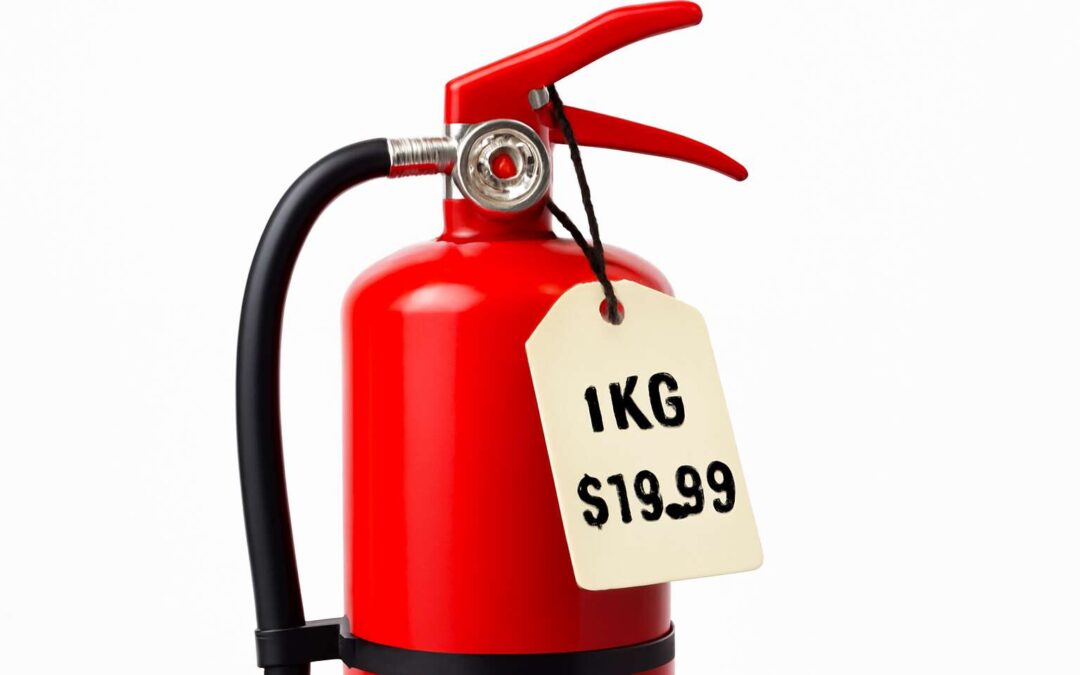
Pricing Fundamentals for 1kg Fire Extinguishers
Key factors that affect price of 1kg extinguishers
South Africa’s kitchens and workshops sometimes feel like tiny crucibles, where courage and caution dance! A 1kg fire extinguisher can buy precious seconds when flames stumble into your path. The fire extinguisher 1kg price is just one thread in a larger safety tapestry, pointing to value you’d rather measure in peace of mind than rand.
Pricing fundamentals hinge on how and where it’s made, the materials used, and the support you receive after purchase. Key factors that affect price of 1kg extinguishers for SA readers include:
- Cylinder material and build quality
- Extinguishing agent type and rating
- Certification, warranty, and distributor network
Smart buyers compare not just sticker price, but durability, refillability, and service availability across Gauteng, KwaZulu-Natal, the Western Cape, and beyond. When the numbers align with such attributes, protection feels like a harmless spell rather than an expense.
Typical price ranges by region and retailer
Every rand spent on a fire extinguisher 1kg price is a vote for peace of mind. In South Africa, numbers whisper that value rests not only in the metal but in the service that accompanies it—care after purchase, certification, and the confidence of a ready plan.
Pricing reflects the dance of manufacture, region, and distributor networks. It’s less about the heft of the tag and more about what you gain when you need it most.
Typical price ranges by region and retailer reveal the landscape:
- National chains: roughly R180–R260 per unit
- Independent outlets: often R200–R300, with better after-sales options
- Bulk distributors: around R150–R230, depending on certification and refillability
That price tells a story about reliability, availability, and the choices made to protect spaces.
Common price points for popular models
In South Africa, the fire extinguisher 1kg price often whispers louder than you’d expect, because the true cost isn’t just metal—it’s peace of mind forged in service, certification, and readiness. A single unit sits at the crossroads of safety and budget, ready to respond when ordinary moments turn urgent.
Pricing fundamentals hinge on a few constants and quiet nuances.
- Certification and compliance costs that accompany a compliant unit
- Refillability and the ecosystem that supports lifecycle expenses
- After-sales support, service networks, and warranty coverage
Ultimately, the fire extinguisher 1kg price is a narrative about availability, not just a tag, and it echoes through the certainty of a plan rather than the fear of a blank space.
How to compare offers and avoid overpaying
Pricing fundamentals for a small, sturdy guardian begin where numbers kiss safety. In South Africa, the fire extinguisher 1kg price isn’t merely a tag; it’s a signal of regulatory stamps, trusted performance, and the quiet readiness a home or business relies on. The base cost covers metal and paint plus the assurance that a unit will respond when alarm bells break the quiet.
To compare offers without losing the plot, think beyond sticker price and into the lifecycle story—the certification it carries, the potential refills, and the reach of after-sales support. The fire extinguisher 1kg price becomes a lens on availability, service networks, and long-term reliability, shaping choices with the inevitability of sunrise.
- Value anchored in more than the tag
- Lifecycle implications and maintenance rhythm
- Regional supply and service footprint
Impact of certification and standards on cost
In South Africa, a single 1kg fire extinguisher can be the hinge between safety and disruption, and its price whispers the truth of readiness! The fire extinguisher 1kg price mirrors certification, not merely metal and paint; it carries trusted performance and the stamps that keep a unit compliant and ready.
Certification and standards lift cost through rigorous testing, durable cylinders, and reliable extinguishing media. When a unit bears SABS marks or equivalent credibility, the price carries insurance against failure and a longer network of support.
- Certification tests and approvals
- Extended service networks for refills and checks
- Maintenance and hydrostatic testing cycles
To understand the lifecycle, view the total outlay as a continuum rather than a sticker price. Ultimately, price reflects readiness, durability, and dependable aftercare, shaping decisions with the quiet authority of dawn.
Types and Cost Implications of 1kg Fire Extinguishers
Differences between water, dry chemical, and foam models
Fire safety isn’t glamorous, but a 1kg unit is your first line of defense. The fire extinguisher 1kg price is just the opening act—the real total cost hides in refills, service intervals, and warranties that survive South Africa’s busy workplaces.
Water models are the lightest and cheapest upfront, yet they struggle on anything beyond solid debris. Dry chemical units bite back with broader applicability but higher price and maintenance. Foam types sit in between, offering good performance with some electrical considerations.
- Water: basic, Class A only, minimal residue
- Dry chemical: multi-class, higher ongoing costs
- Foam: good speed, watch compatibility
Cost implications in SA mean the initial tag is just the tip of the iceberg; duties, local stock, and service networks shape what you ultimately pay for fire extinguisher 1kg price over its lifetime.
Recharge intervals and reusability considerations
Fire safety is people safety, a hard truth that lands with a punch on South Africa’s busy floors. A 1kg unit can buy crucial minutes when flames lick at a door, turning alarm into action. The fire extinguisher 1kg price is only the opening act—the real cost hides in refills, service intervals, and warranties that walk the corridors of South Africa’s workplaces.
Recharge intervals and reusability considerations shape the long arc of ownership. Recharge after any discharge, after annual checks, or after a pressure test; many models are designed to be recharged, not discarded. This ongoing expense—and its impact on the fire extinguisher 1kg price over time—depends on model choice and service networks.
- Recharge after use or testing
- Refillable vs disposable considerations
- Warranty and service networks influence total lifecycle cost
Brand versus generic options
South African workplaces know that small packages wield big leverage. A 1kg extinguisher can buy crucial seconds when flames flirt with a doorway, turning panic into a plan. The fire extinguisher 1kg price is only part of the equation—the rest rides on refillability, warranties, and the reach of service networks across SA.
Brand-name units often promise tested reliability, longer warranties, and more predictable gauge readings. Generic options skim the upfront cost, but may travel different refill timelines and inconsistent labeling. The real cost story is lifecycle, not sticker shock.
- Brand-name units: proven performance, longer warranties, national service networks.
- Generic options: lower upfront cost, variable refill lead times, inconsistent labeling.
- Choosing for your environment: consider storage, risk level, and maintenance cadence.
Ultimately, brands cost more upfront but often save in downtime and audits—and in SA, that matters when fire safety audits line up on a Friday afternoon.
Accessories, maintenance fees, and added costs
Across South Africa, the smallest piece of safety gear can swing an outcome from chaos to calm; a 1kg extinguisher buys crucial seconds when flames flirt with a doorway. The fire extinguisher 1kg price is only the tip of the iceberg—the true cost hides in accessories, maintenance, and service reach across SA.
Accessories tip the ledger with mounting brackets, tamper seals, and sturdy wall cabinets. Maintenance fees accrue from routine inspections, refills after discharge, and periodic hydrostatic checks where applicable. Plus, call-out charges and travel time can tilt the total for rural or industrial sites. Consider these add-ons:
- Mounting brackets and cabinets
- Tamper seals and inspection tags
- Recharge services and periodic testing
That lifecycle balance remains a quiet truth in SA safety ledgers, where every extra cent buys reassurance.
Warranty terms and their price impact
Warranty is the quiet engine behind a simple purchase: a 1kg unit that stands between safe hands and smoke-filled rooms. The fire extinguisher 1kg price can feel fixed at checkout, yet warranty terms bend the true cost over years—offering service, refills, and the comfort of dependable protection. In rural communities and busy towns alike, that assurance can feel priceless after a scare. I’ve watched families breathe a little easier when service crews arrive on time.
Types and price implications come into sharp focus when choosing between standard and extended protection, and when weighing on-site service versus depot handling. Here’s a quick snapshot:
- Standard warranty duration
- Extended warranty options
- On-site service vs depot service
- Refill and replacement coverage after discharge
In South Africa, travel charges and maintenance cadences loom large, especially outside urban hubs. A longer warranty can cushion those costs, making the overall value of the purchase clearer even if the upfront price sits a touch higher.
Where to Buy and How to Score the Best Deals
Online marketplaces versus local safety supply stores
Across South Africa, the fire extinguisher 1kg price sits at a surprising crossroads—online marketplaces often tout aggressive base prices, while local safety stores account for ready availability and service. Price signals aren’t just numbers; they tell a story about stock, support, and trust.
Online marketplaces vs local safety supply stores each offer different levers on price. Here are the factors that shape the value you see in the market today:
- Total cost, including delivery and VAT
- Stock availability and delivery times
- Warranty and after-sales support
- Accessory bundles and maintenance options
Prices move with demand, stock, and assurance; the market rewards clarity—quality, service, and stock reliability becoming as important as the headline price.
Single unit versus bulk pricing strategies
Across South Africa, the fire extinguisher 1kg price can feel like a pulse—fast, elusive, and telling you something about stock and service. When you shop, the headline price is only part of the story; VAT, delivery, and after-sales support shape the real value. For many buyers, choosing where to buy boils down to readiness and reliability as much as raw cost.
Where to buy matters: online marketplaces can drive the initial price down, but local safety stores often deliver quicker refills and warranties! Consider these single-unit versus bulk pricing strategies:
- Single units offer flexibility and immediate stock
- Bulk purchases lower unit cost and may include maintenance plans
- Balance between delivery fees and storage costs
That price signal helps you avoid overpaying while ensuring you have functioning extinguishers when you need them.
Seasonal discounts, promotions, and coupon codes
Price in South Africa isn’t a fixed beacon—it’s a pulse that shifts with seasons. The fire extinguisher 1kg price can drift as stock moves and promotions surface, turning a routine purchase into a moment of strategic readiness. When you scan options, note that the headline price is just the opening note; VAT, delivery, and after-sales support complete the harmony.
Where to shop matters, and promotions change the tune. Seasonal discounts, promotions, and coupon codes can reshape value without sacrificing reliability.
- Seasonal promotions linked to safety drives and supplier resets
- Online coupon codes and dealer offers
- Bulk purchases or bundles with maintenance plans
These channels influence the fire extinguisher 1kg price while keeping your units ready when needed.
Choosing certified retailers and price guarantees
South Africa’s safety gear market moves fast—the fire extinguisher 1kg price can swing with stock turns and promotions. The real win isn’t chasing the lowest sticker; it’s buying from a source you can trust for consistency, on-time delivery, and genuine after-sales support. A smart shopper reads the full note: headline price plus VAT, delivery, and service terms.
Where to buy matters for peace of mind and long-term value. Choose certified retailers and price guarantees that shield you from sudden spikes while keeping your safety gear ready when needed. With the right retailer, the fire extinguisher 1kg price reflects quality, not hype, and you gain clear warranty terms and reliable delivery.
- Certified retailers with safety accreditation and clear warranties
- Transparent price guarantees that compare like-for-like quotes
- Robust after-sales support and documented delivery terms
Hidden costs: shipping, tax, and handling
Prices dance with stock turns, but safety is non-negotiable. The fire extinguisher 1kg price can swing with promos, yet a trusted supplier delivers steadiness, on-time delivery, and genuine after-sales support that outlasts a flash sale.
Where to Buy matters for peace of mind: seek certified retailers with safety accreditation and transparent terms, including VAT, delivery, and service agreements. In South Africa, these traits shield you from sudden spikes while keeping essential safety gear ready when needed.
How to score the best deals starts with clarity and the fine print:
- Certified retailer status, warranties, and delivery terms
- Transparent price guarantees with like-for-like quotes
- Visible costs, including shipping, VAT, and handling
With this approach, value emerges from reliability, not hype, turning every purchase into lasting protection.
Selecting the Right 1kg Fire Extinguisher for Your Space
Assessing fire risks and extinguisher type suitability
Every second counts when a small blaze breaks out. Selecting the right 1kg unit starts with a crisp look at fire risks and extinguisher type suitability for your space. Across South Africa, a compact 1kg model often tucks neatly under a sink, beside a doorway, or in a carport, a quiet guardian awaiting call. The fire extinguisher 1kg price is just one thread in the safety fabric; balance cost with build quality and the guarantee of a refill option to keep readiness high without breaking the budget.
Here are quick checks that feel practical yet poetic in their simplicity:
- Space type and fire risk, such as kitchen or workshop
- Electrical exposure or presence of flammable liquids
- Visibility, accessibility, and mounting options
In South Africa, the right choice aligns with room layout, risk profile, and the lifecycle of safety gear—ensuring readiness without compromising local standards or the overall safety budget.
Calculating the number of units per area
Across South Africa, a tiny blaze can flare into a corridor of heat in seconds; the right 1kg unit acts as a quiet sentinel, not a hero in chrome. Choosing the fire extinguisher 1kg price matters, but it is only part of a larger balance—cost, build quality, and the prospect of a refill when the night returns. In homes, workshops, or carports, the right count for a space speaks softly of preparedness rather than panic.
- Room size and layout guide what you need
- Nearby heat sources and flammable materials
- Clear sight lines and easy mounting
Let the numbers guide your choice, maintaining a steady rhythm against the shadows of price and risk.
Regulatory standards and safety guidelines
A solitary 1kg unit can hush a chorus of sparks before it becomes a blaze, a pocket of calm in a room’s sudden weather. The fire extinguisher 1kg price sits in the same breath as value and safety—an anchor you feel rather than see, when the night shifts and the lights waver.
Regulatory standards and safety guidelines in South Africa temper every purchase. Look for SABS or SANS certification on the label, and ensure the unit matches its intended class (A, B, or C) for your space. The manufacture date, pressure gauge integrity, and a clear recharge or service log matter—these details guard against quiet degradation.
Beyond the badge of compliance, the right pick feels like a measured, silent appointment with preparedness. In homes, workshops, or garages, it’s the calm presence—priced not as bravado, but as a kept promise to the people you shelter.
Lifespan, replacement planning, and cost considerations
Choosing the right 1kg extinguisher isn’t a thrill ride; it’s a quiet pledge you carry into the night. The fire extinguisher 1kg price figures into the decision, but more enduring is a unit’s lifespan—roughly five to twelve years depending on material, usage, and maintenance. In a South African home, workshop, or small business, the correct balance comes from weighing safety against long-term cost, not chasing a flash-in-the-pan bargain.
Consider these factors when thinking about replacement or initial purchase:
- Lifespan and recharge options across A/B/C classifications
- Certification status, label integrity, and service logs
- Total cost of ownership: upfront price, maintenance, and potential refurbishments
With the right perspective, you maintain calm in the room and clarity in planning—your space protected without cluttering the wallet.
Practical tips for safe usage and maintenance
Bold safety hides in plain sight! A 1kg fire extinguisher is the steady sentinel in any South African kitchen, shed, or small workshop—small enough to tuck away, big enough to stop a flare-up fast. The right fit protects people, property, and plans.
Start by weighing space, exposure, and potential fuels. For light electrical and cooking risks, a compact B-C unit is practical; for upholstery or solvents, A-B-C coverage helps. The fire extinguisher 1kg price should be weighed against its lifespan and maintenance needs.
Maintenance pays off in calm moments. Check the pressure gauge monthly, ensure the tamper seal is intact, and replace after use or at service intervals. Store in a visible location, with clear access and no obstructions.
- Verify gauge, seal, and tag
- Inspect label integrity and expiry
- Record service and recharge dates
